
Why Aluminum Extrusions Need Secondary CNC Machining
Aluminum extrusion is widely used in industries such as electronics, automotive, automation, and industrial equipment. It is an efficient manufacturing process for producing aluminum profiles with consistent cross-sectional shapes.
However, aluminum extrusion alone cannot always meet the dimensional accuracy, hole locations, surface requirements, and assembly features specified in engineering drawings.
This is where secondary CNC machining becomes essential.
By combining aluminum extrusion with precision CNC machining, manufacturers can produce customized aluminum components with complex features, tighter tolerances, and improved assembly compatibility.
1. What Is Aluminum Extrusion
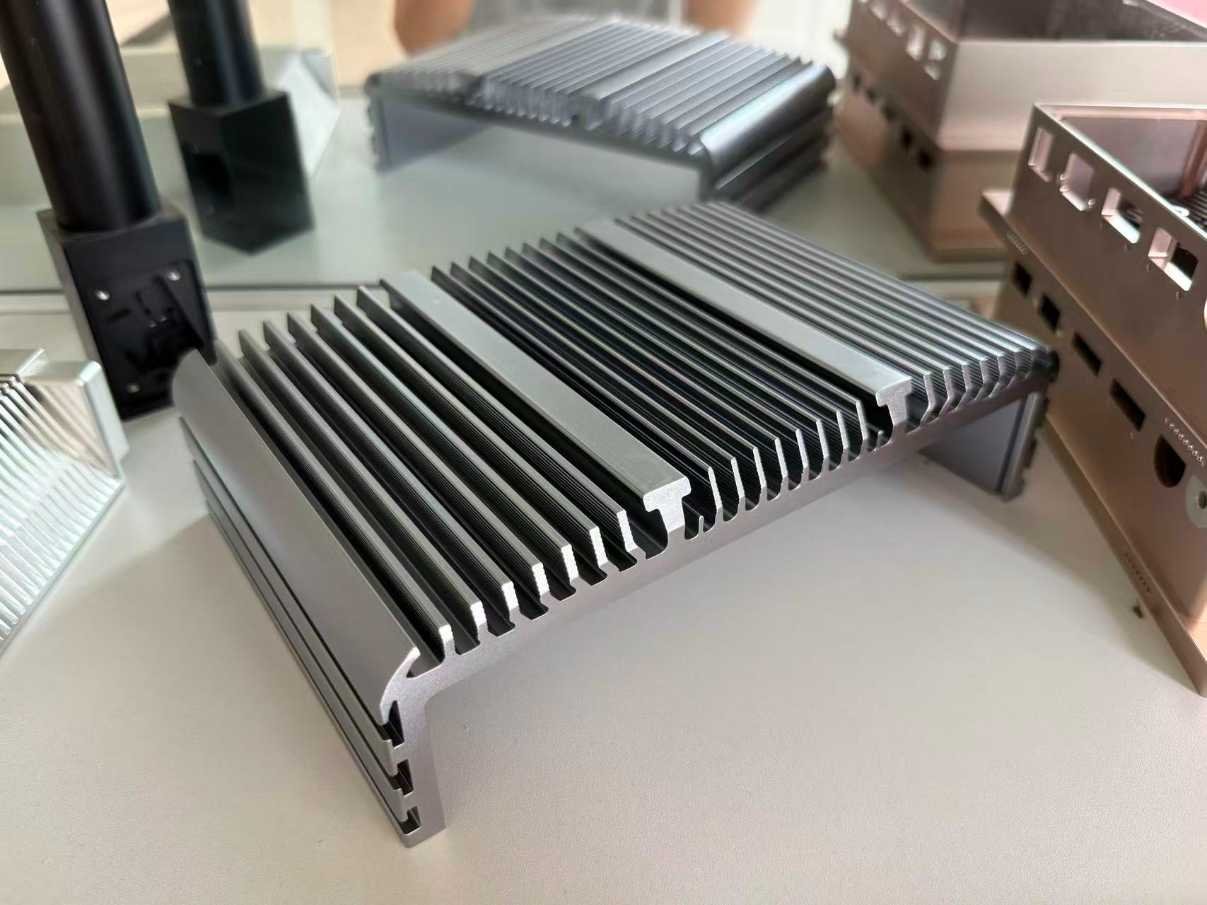
Aluminum extrusion is a manufacturing process in which a heated aluminum billet is forced through a specially designed die to create a profile with a specific cross-sectional shape.
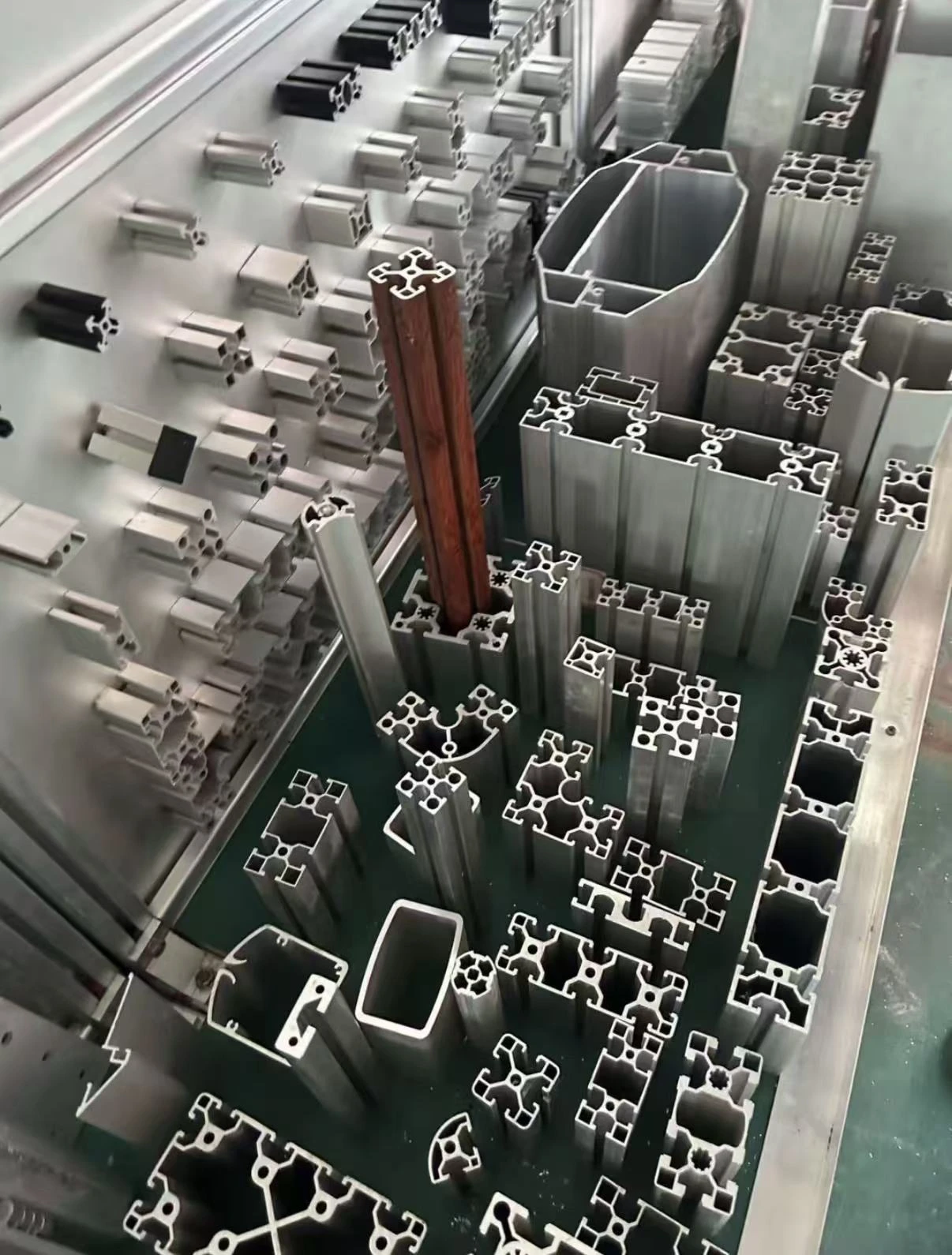
The process is commonly used to manufacture aluminum channels, tubes, structural profiles, heat sinks, and customized industrial components.
One of the main advantages of aluminum extrusion is its ability to produce long profiles with consistent cross-sectional geometries. This makes it suitable for medium- and high-volume production.
Common aluminum alloys used for extrusion include 6061 and 6063, depending on the required mechanical properties, surface finish, and application.
Although aluminum extrusion is efficient, the process has limitations. Features such as precise mounting holes, threaded connections, complex pockets, and localized tight tolerances often require additional machining operations.
2. Why Is Secondary CNC Machining Necessary?
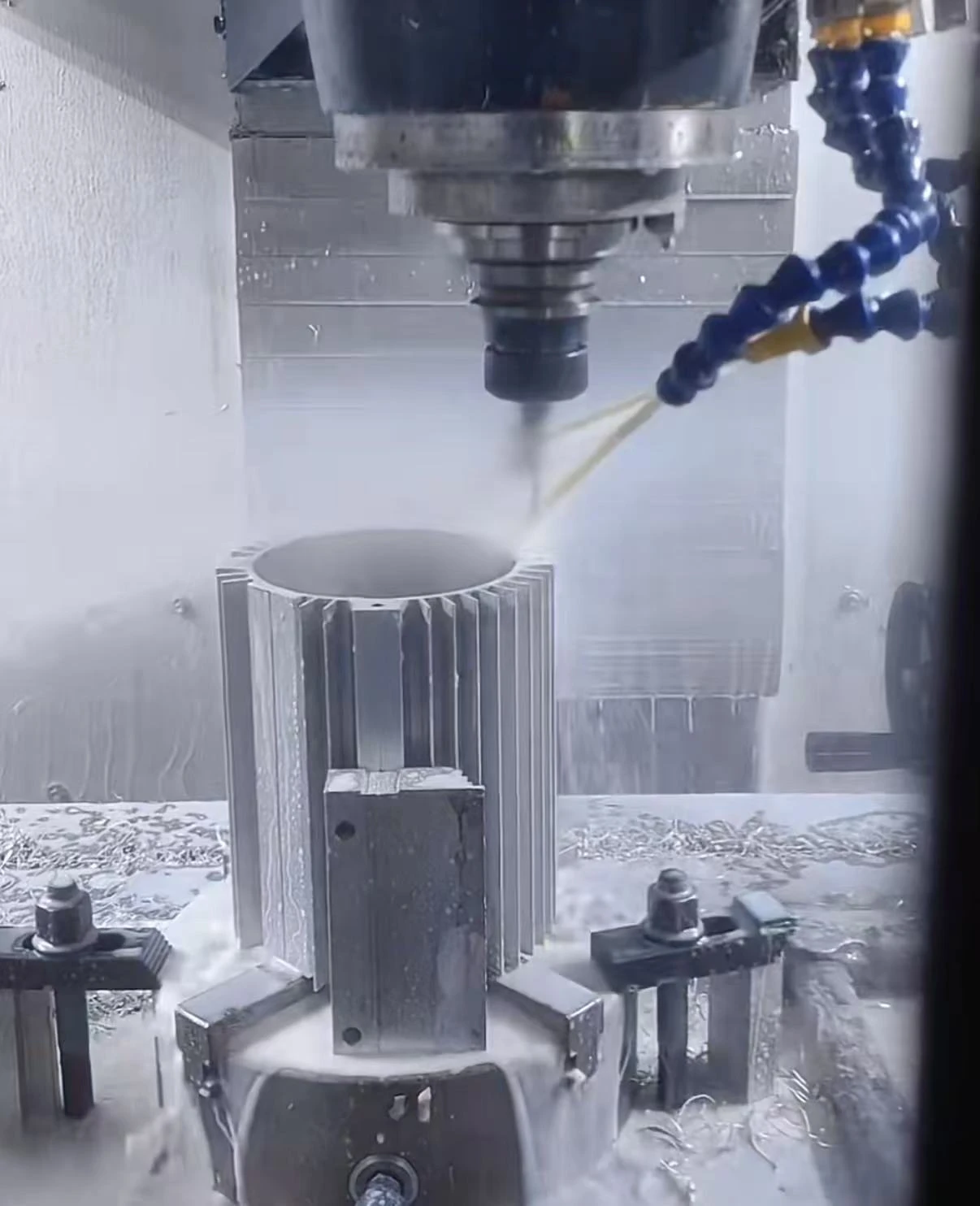
Secondary CNC machining is used to add features and improve dimensional accuracy after the aluminum extrusion process.
While extrusion creates the basic profile geometry, CNC machining enables manufacturers to achieve specific design requirements that cannot be produced economically or accurately through extrusion alone.
2.1 Achieving Tighter Dimensional Tolerances
Aluminum extrusion tolerances are influenced by several factors, including die design, material properties, profile geometry, and cooling conditions.
For components requiring precise mating surfaces or critical dimensions, extrusion tolerances may not be sufficient.
CNC milling and other machining operations can improve the accuracy of selected features, helping components fit correctly during assembly.
For example, a custom aluminum housing may require precisely machined mounting surfaces to ensure proper alignment with other mechanical components.
2.2 Adding Holes, Slots, and Threads
Many aluminum extrusion components require additional features that cannot be formed directly through the extrusion die.
Common secondary machining operations include:
Drilling mounting holes
Milling slots and pockets
Tapping threaded holes
Machining precision surfaces
Cutting profiles to specific lengths
These operations allow standard or custom aluminum profiles to be transformed into finished functional components.
2.3 Improving Assembly Accuracy
In many industrial applications, aluminum components must be assembled with bearings, fasteners, electronic modules, or other precision parts.
Even small dimensional deviations can create assembly problems, particularly when multiple components must fit together.
Secondary CNC machining helps control critical dimensions and improves consistency between manufactured parts.
This is especially important for automation equipment, electronic enclosures, and mechanical assemblies.
2.4 Supporting Complex Custom Designs
Some aluminum components require both a continuous extruded shape and localized complex features.
Instead of manufacturing the entire component from a solid aluminum block, manufacturers can first produce the basic shape through extrusion and then machine the required details.
For suitable designs and production quantities, this approach can reduce material waste and machining time.
3. Common Secondary CNC Machining Operations for Aluminum Extrusions
Several CNC machining processes can be used to finish aluminum extrusion components.
CNC Milling
CNC milling is commonly used to produce pockets, slots, flat surfaces, and complex geometric features.
It is particularly suitable for aluminum housings, mounting brackets, and customized structural components.
CNC Drilling and Tapping
Drilling creates holes for fasteners and assembly connections, while tapping produces internal threads.
These processes are widely used in aluminum frames, electronic enclosures, and mechanical mounting components.
CNC Cutting and End Machining
Extruded aluminum profiles are typically produced in long lengths and cut into individual components.
Additional end machining may be required to achieve accurate lengths, flat end faces, or specific connection features.
Multi-Axis CNC Machining
For more complex components, multi-axis CNC machining can produce angled holes, features on multiple sides, and intricate geometries.
Depending on the component design, multi-axis machining can also reduce the number of setups required.
4. Aluminum Extrusion vs CNC Machining from Solid Block
Both aluminum extrusion and CNC machining from solid stock are widely used in precision manufacturing.
However, the most cost-effective process depends on the component geometry, production quantity, material requirements, and tolerance specifications.
| Factor | Aluminum Extrusion + CNC | CNC from Solid Block |
| Need tooling? | Aluminum Extrusion + CNC: Extrusion die required; tooling cost depends on profile complexity. | No |
| Material utilization | Often better for constant cross-sections | More material removal may be required |
| Design flexibility | Limited by extrusion geometry | Greater freedom for complex shapes |
| Production quantity | Often suitable for repeat production | Suitable for prototypes and varied quantities |
| Precision features | Achieved through secondary machining | Achieved directly through machining |
| Lead time | Sample Order:About 7-14days | About 7-14days |
For components with a consistent cross-sectional shape and repeated production requirements, aluminum extrusion combined with CNC machining can offer economic advantages.
For prototypes, low-volume production, or parts with highly complex geometries, machining directly from solid aluminum stock may be more practical.
The best manufacturing approach should be determined through a review of the engineering drawings, required quantities, and overall production costs.
5. Applications of Aluminum Extrusion with CNC Machining
Aluminum extrusion combined with CNC machining is used in a wide range of industrial applications.
Electronic Enclosures
Custom aluminum housings often require precision holes, slots, mounting features, and machined surfaces to accommodate electronic components.
Industrial Automation
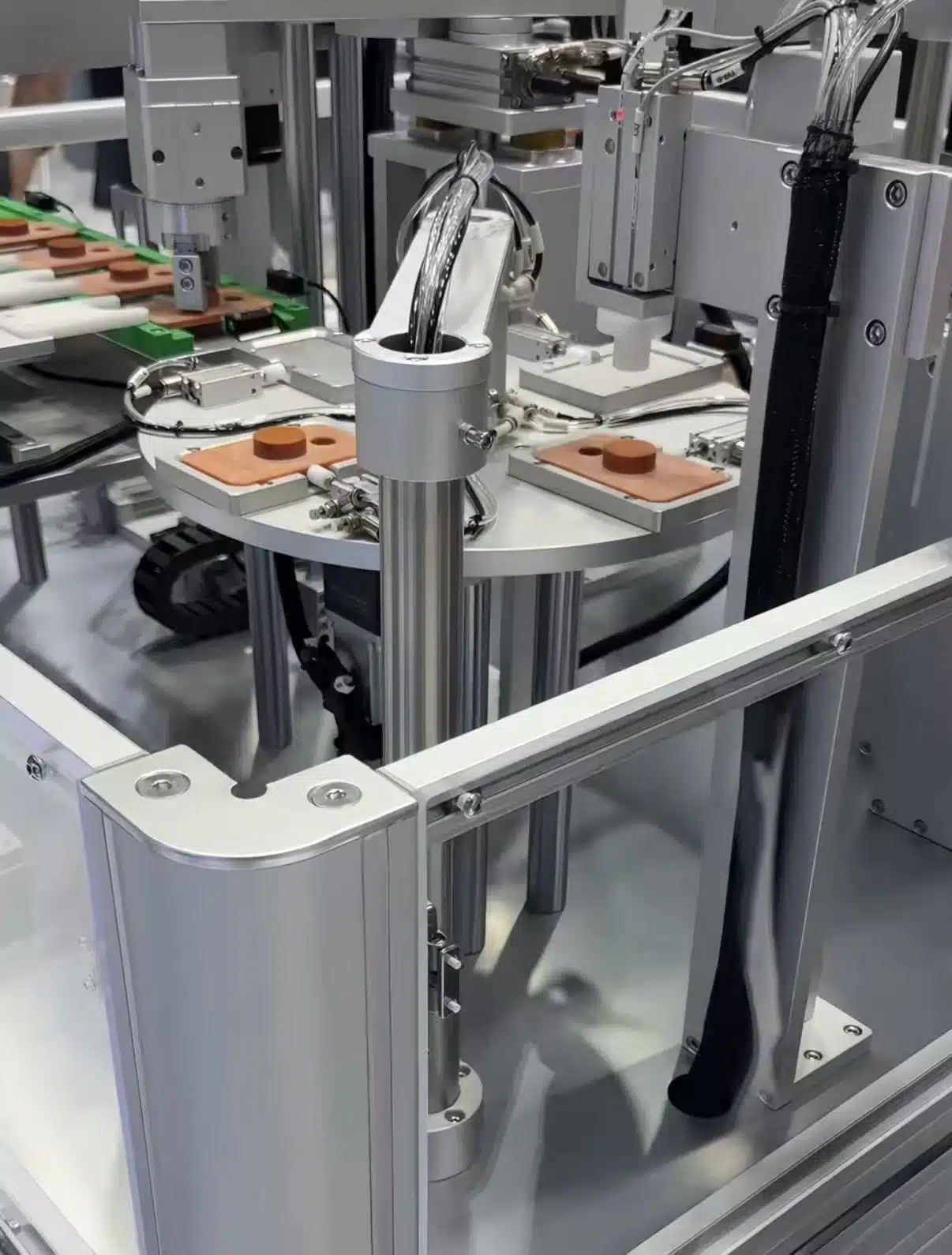
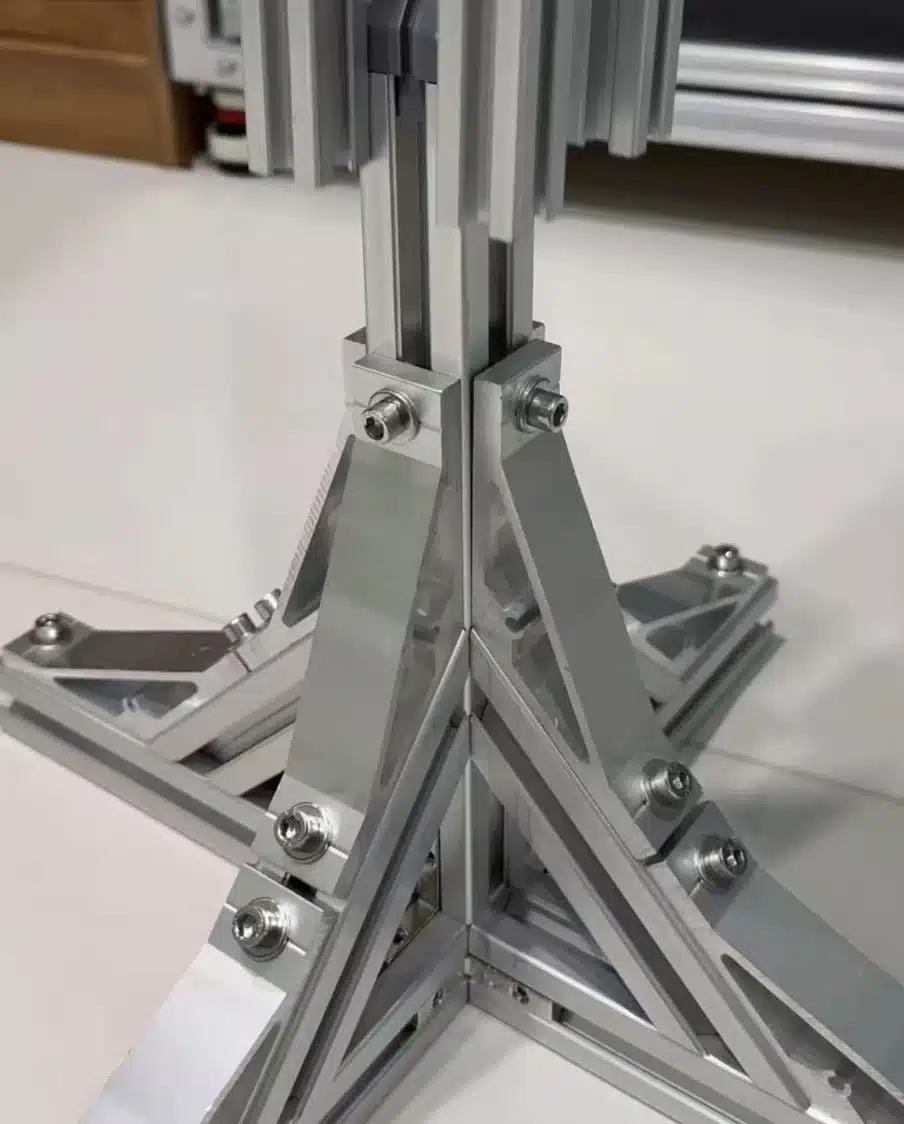
Automation equipment frequently uses aluminum profiles and precision-machined brackets, frames, and mounting components.
Heat Sinks and Thermal Management
Extruded aluminum heat sinks can require secondary CNC machining to add mounting holes, threaded features, or localized contact surfaces.
Depending on thermal requirements, machining may also be used to prepare specific mounting interfaces.
Automotive and Mechanical Components
Aluminum extrusion and CNC machining can be combined to manufacture structural components, mounting brackets, and customized mechanical parts.
6. How to Choose the Right Manufacturing Process
Before deciding whether to use aluminum extrusion with secondary CNC machining, manufacturers and buyers should evaluate several important factors.
Part Geometry: Components with long, consistent cross-sections are often good candidates for aluminum extrusion.
Tolerance Requirements: Critical dimensions and mating features may require precision CNC machining.
Production Quantity: Extrusion tooling costs should be evaluated against the expected production volume.
Material Selection: The selected aluminum alloy must meet the required mechanical, corrosion-resistance, and finishing properties.
Surface Finish: Anodizing, bead blasting, and other finishing processes may be considered depending on the intended application.
Total Manufacturing Cost: Tooling, material utilization, machining time, finishing, and inspection should all be considered when comparing production methods.
A design-for-manufacturing (DFM) review can help identify unnecessary machining operations, improve manufacturability, and reduce avoidable production costs.