
From Aluminum Extrusion to CNC Machined Heat Sinks: A Complete Manufacturing Guide
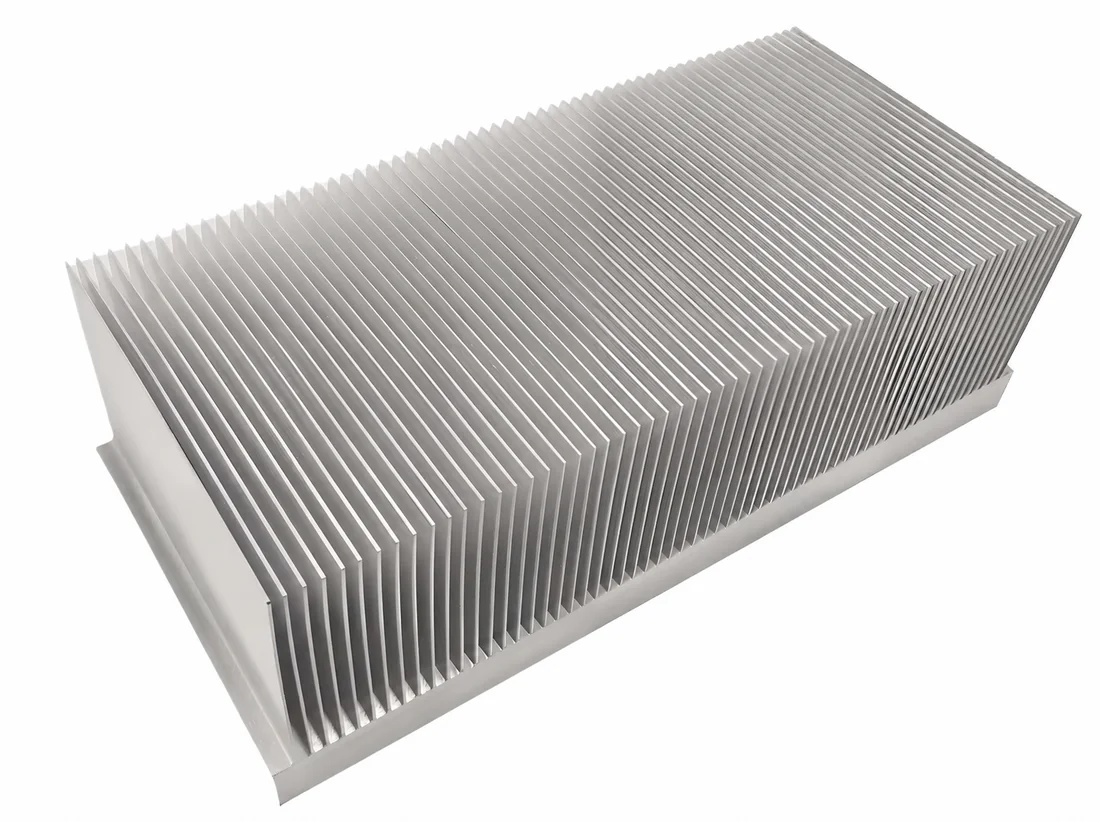
Extruded aluminum heat sinks often undergo secondary CNC machining to meet specific dimensional and assembly requirements. Aluminum extrusion efficiently produces the main heat sink profile, including the base and cooling fins, while CNC machining adds precision features such as mounting holes, threaded holes, installation slots, and critical contact surfaces.
But how does a custom aluminum heat sink go from an engineering drawing to a finished component?
In this guide, we walk through the complete manufacturing process of extruded aluminum heat sinks, from material selection and extrusion die design to profile production, CNC machining, surface finishing, and quality inspection.
1. Aluminum Alloy Selection for Heat Sinks(Al6061 vs AL6063)
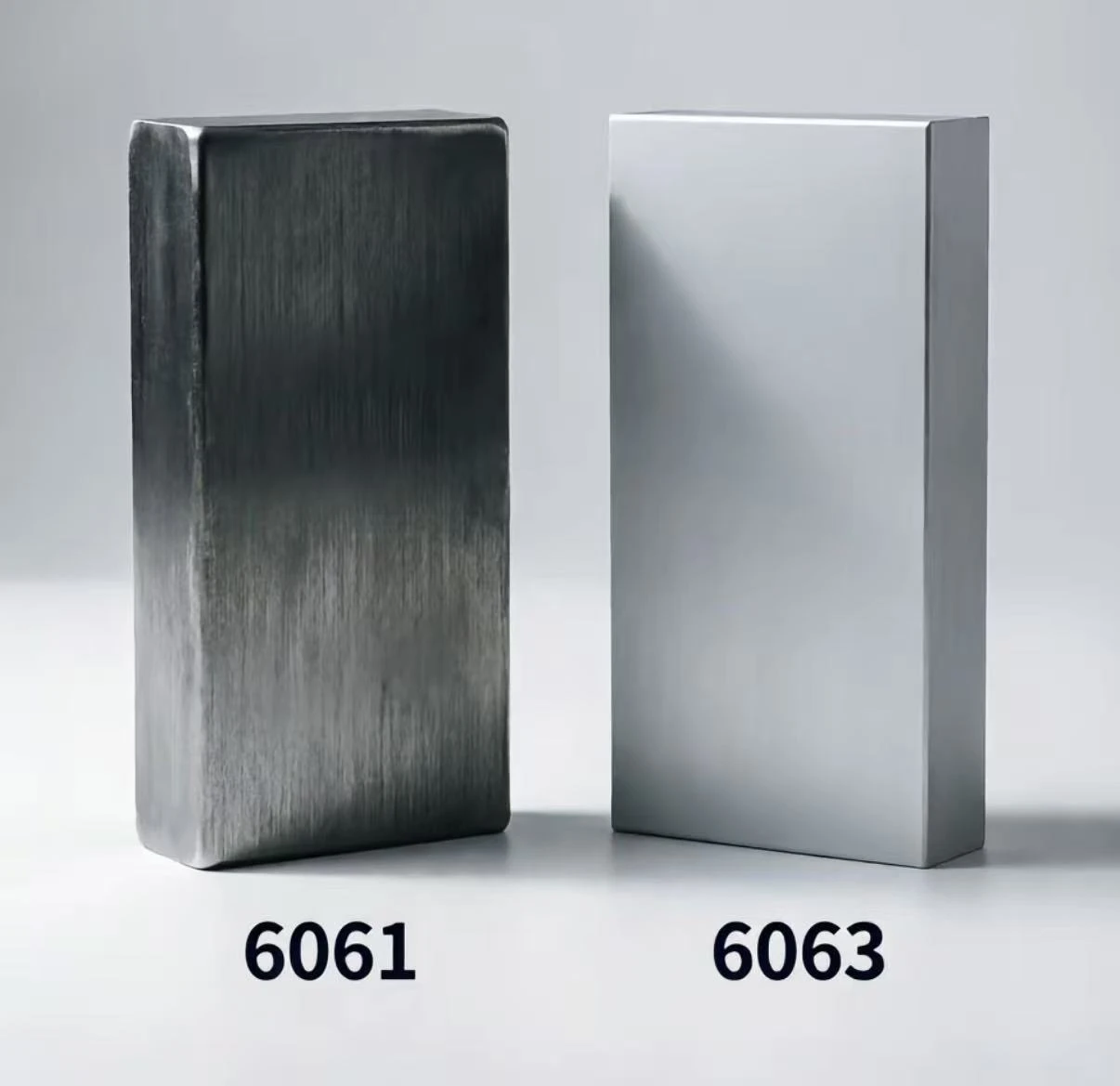
Selecting the right aluminum alloy is an important step in heat sink manufacturing. Among commonly used extrusion alloys, 6063 and 6061 offer different advantages in thermal conductivity, mechanical strength, extrudability, and manufacturing cost.
Which Aluminum Alloy Is Better for Heat Sinks?
6063 aluminum is generally preferred for extruded heat sinks, particularly when the design requires thin fins, complex profiles, and efficient heat dissipation.
6061 aluminum is more suitable when higher mechanical strength is required, especially for heat sinks that also serve as structural or mounting components.
For custom heat sinks requiring secondary CNC machining, the final material selection should balance thermal performance, extrusion feasibility, machining requirements, and overall production cost.
| Property | 6063-T5 Aluminum | 6061-T6 Aluminum |
| Thermal Conductivity | Approx. 200–210 W/m·K | Approx. 167 W/m·K |
| Tensile Strength | Approx. 150–190 MPa | Approx. 290–310 MPa |
| Extrudability | Excellent | Good, but more challenging |
| Thin Fin Extrusion | Highly suitable | Less suitable for complex thin fins |
| CNC Machinability | Good | Very good |
| Anodizing Performance | Excellent | Good |
| Relative Cost | Generally lower for complex extrusions | Can be higher for complex profiles |
| Typical Applications | LED heat sinks, electronic cooling, industrial heat sinks | Structural heat sinks, mounting components, high-strength applications |
2. Extrusion Die Design and Manufacturing
Once the heat sink design and material have been selected, the next step is extrusion die development.
An extrusion die is a specially manufactured tool that determines the cross-sectional shape of the aluminum profile.
For an extruded heat sink, this profile usually includes a base and multiple cooling fins.
Important design considerations include:
– Fin thickness and height
– Spacing between adjacent fins
– Base thickness
– Profile width and overall dimensions
– Uniform metal flow during extrusion
– Practical manufacturing tolerances
Thin, tall fins may increase the available surface area, but they can also make extrusion more difficult and increase the risk of dimensional variation or deformation.
Similarly, narrow fin spacing may limit airflow in certain applications and complicate extrusion die design.
Engineers should balance thermal requirements with manufacturing feasibility.
**Design Tip:** Before investing in extrusion tooling, review the heat sink cross-section with the manufacturer. Small adjustments to fin thickness, spacing, or geometry may improve extrusion feasibility and reduce manufacturing costs.
3. Aluminum Extrusion Process
After the extrusion die is prepared, aluminum billets are heated to a suitable processing temperature and pushed through the die using an extrusion press.
As the aluminum passes through the die opening, it forms a continuous profile with the required heat sink cross-section.
For a finned heat sink, the base and cooling fins are formed together during extrusion.
This process is particularly useful when multiple heat sinks share the same cross-sectional design but require different finished lengths.
Compared with machining the entire fin structure from a solid aluminum block, extrusion can significantly reduce material removal and machining time for suitable geometries and production volumes.
However, extrusion does not automatically produce every final feature.
Mounting holes, threaded holes, precision pockets, and certain critical surfaces may still require secondary CNC machining.
4. Cooling, Stretching, and Aging
After leaving the extrusion press, the aluminum profile must be cooled under controlled conditions.
Cooling practices depend on the alloy, profile geometry, and required material properties.
The profile may then undergo stretching to improve straightness and reduce distortion.
For heat-treatable aluminum alloys, artificial aging may be used to achieve the specified temper and mechanical properties.
These steps are important because long aluminum profiles can develop dimensional variation during extrusion and cooling.
For heat sinks, excessive bending or twisting may affect later cutting, CNC machining, and assembly.
A stable and sufficiently straight extrusion profile provides a better starting point for downstream manufacturing.
5. Cutting Aluminum Profiles to Length
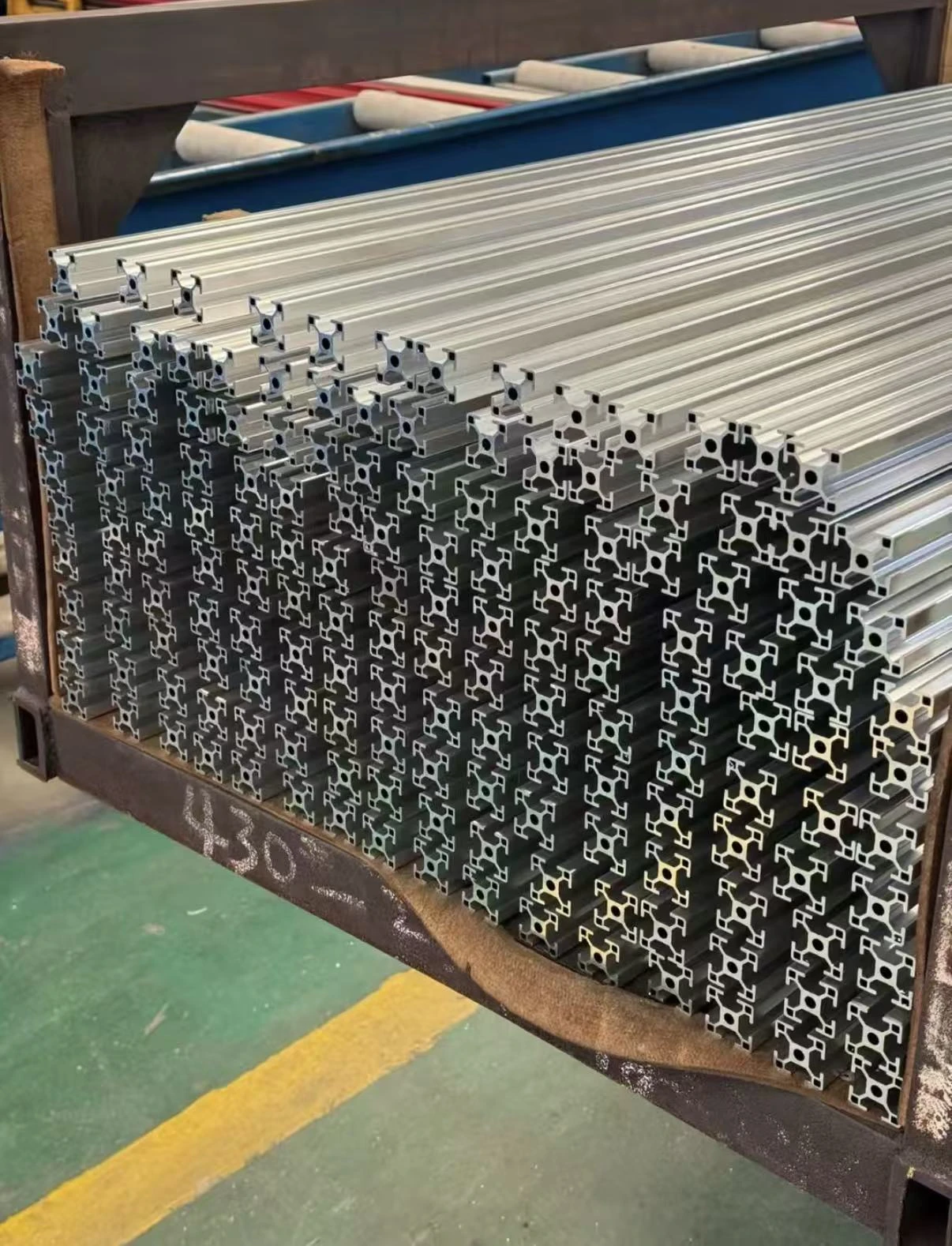
After extrusion and the required post-extrusion treatments, the long aluminum profiles are cut into individual heat sink blanks.
The cutting length is determined by the customer’s drawing and any additional machining allowance.
Common cutting methods include industrial circular saws and other suitable precision cutting equipment.
At this stage, manufacturers should pay attention to:
– Cut length accuracy
– Squareness of the cut ends
– Burr formation
– Surface scratches
– Deformation of thin fins
For heat sinks requiring precise overall dimensions, the initial cutting operation may leave a small machining allowance for subsequent finishing.
The resulting blanks are then prepared for secondary processing.
6. CNC Machining of Extruded Aluminum Heat Sinks
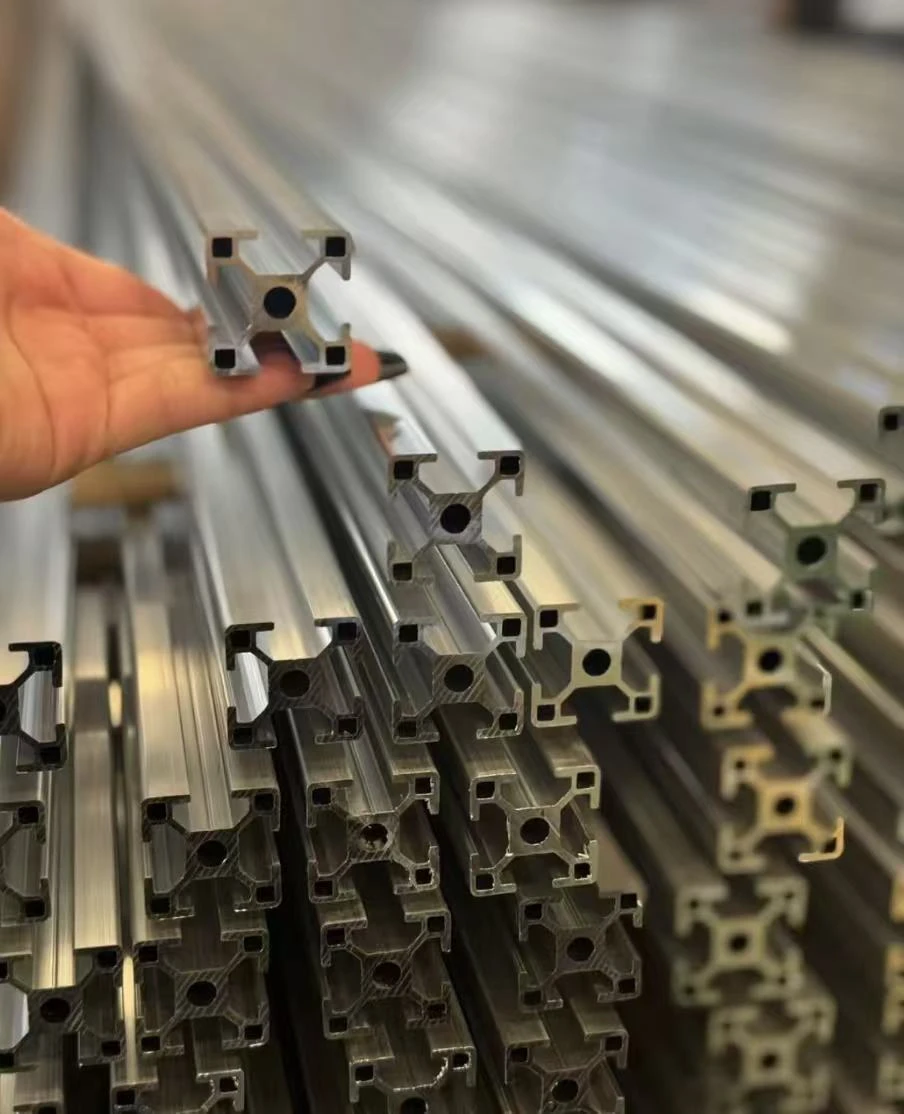
CNC machining is one of the most important steps when an extruded heat sink requires accurate assembly features.
Although extrusion creates the main profile, it is subject to process-specific dimensional tolerances.
CNC machining can produce localized features and critical dimensions that are difficult or impractical to achieve directly through extrusion.
6.1 CNC Milling of Mounting Surfaces
Some heat sinks require accurately machined mounting areas for electronic components, brackets, or housings.
CNC milling can remove material from selected surfaces to meet drawing requirements for flatness, position, and surface finish.
For heat sinks that contact a power module or another heat-generating component, the condition of the contact surface is particularly important.
An uneven mating surface may increase thermal contact resistance, depending on the interface material and assembly conditions.
However, not every extruded heat sink requires its entire base to be milled. The decision depends on the specified flatness, surface finish, and thermal interface requirements.
6.2 CNC Drilling and Tapping
Custom heat sinks often require holes for mounting screws, connectors, or other components.
CNC drilling and tapping can create:
– Through holes
– Blind holes
– Threaded holes
– Counterbored holes
– Countersunk holes
Hole positions and thread specifications should follow the engineering drawing.
Special care is required when drilling or tapping near thin fins or narrow sections of the extrusion.
6.3 CNC Milling of Slots and Pockets
Depending on the application, heat sinks may require additional features such as installation slots, clearance pockets, cable passages, or component mounting recesses.
These features can be produced through CNC milling after extrusion.
Combining extrusion with CNC machining allows manufacturers to retain the cost advantages of an extruded profile while adding application-specific geometry.
6.4 Controlling Deformation During CNC Machining
Thin aluminum fins can be vulnerable to damage during clamping and machining.
Excessive clamping force may bend the fins or distort the heat sink base.
Suitable fixtures, machining sequences, cutting parameters, and support methods help reduce these risks.
For precision heat sinks, manufacturers should also consider how material removal and residual stresses may affect the final dimensions.
**Manufacturing Tip:** Identify the most important dimensions and contact surfaces on the drawing. Not every surface needs a tight tolerance, and applying unnecessary precision requirements can increase machining costs.